Why Established Brands Compare China Streetwear Manufacturers with Local Factories Differently Now?
Why Decorative Denim Often Loses Its Impact in Streetwear Bulk Production?
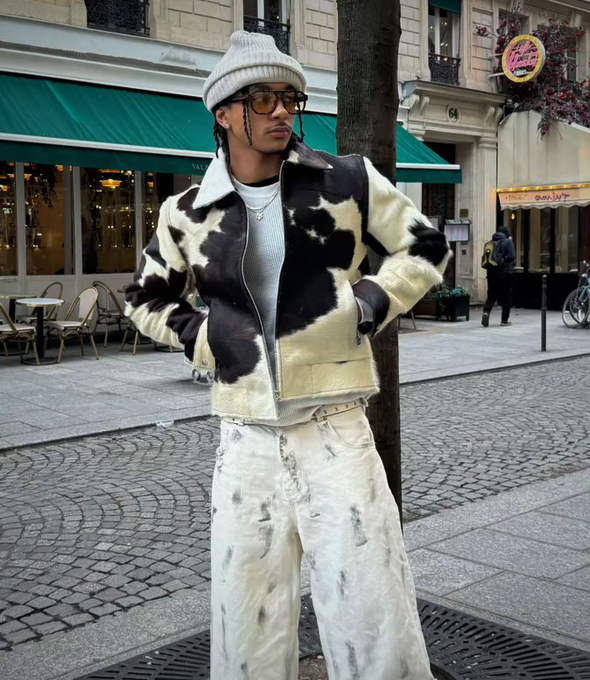
The streetwear market is seeing a massive resurgence of decorated denim—heavy embroidery, intricate patchwork, aggressive distressing, and rhinestone applications. But for procurement teams and creative directors, the real headache isn't designing these pieces; it's watching a flawless sample lose its visual impact, structural integrity, and aesthetic balance the moment it enters bulk production. A single prototype can be carefully engineered by a master sample maker, but when that same design is pushed through an industrial wash cycle and mass assembly line, the variables multiply exponentially.
On paper, a factory might look capable of handling complex denim finishes. However, what sounds like a simple sourcing question often turns into a costly lesson in wash sequencing, shrinkage control, and attachment durability. Many brand teams find out too late that the manufacturer they selected treats decorative denim as a basic cut-and-sew job, rather than a highly technical category requiring specialized engineering. This breakdown explores why decorative denim is notoriously difficult to scale, where the disconnect between design intent and manufacturing reality happens, and what established streetwear brands must verify before committing to a production run.
Why Does Decorative Denim Lose Its Visual Balance During Bulk Washing?
Decorative denim often loses its visual balance in bulk production because aggressive wash processes—like enzyme or stone washing—interact unpredictably with embellishments. If a factory lacks precise wash sequencing, the base fabric shrinks unevenly, causing embroidery to pucker, patchwork to warp, and distressing to tear beyond the intended design.
The fundamental challenge with decorated denim lies in the conflict between the base fabric's need for heavy processing and the embellishment's need for stability. Streetwear denim rarely relies on a raw, unwashed finish. Instead, it demands deep vintage fades, acid washes, or heavy stone abrasion to achieve the correct cultural aesthetic. When a sample is created, the wash process is highly controlled, often involving manual intervention to protect delicate areas. In bulk production, however, hundreds of garments are loaded into industrial washing machines simultaneously. The mechanical friction and chemical exposure in these machines are intense and unforgiving.
If a manufacturer applies heavy embroidery before a stone wash, the pumice stones will inevitably abrade the threads, leading to fraying and color loss that ruins the graphic's clarity. Conversely, if the embroidery is applied after the wash, the factory must account for the exact shrinkage rate of the denim. If the fabric shrinks more than anticipated, the embroidery will pucker, creating an unsightly tension across the garment's surface. This tension not only distorts the visual balance but also affects how the denim drapes on the body. A specialized streetwear manufacturer understands that wash sequencing is not a suggestion; it is a strict engineering requirement. They will map out exactly when each decorative element is applied relative to the wash cycle, often utilizing protective netting or localized chemical treatments to shield vulnerable areas during bulk processing.
Furthermore, the depth and placement of distressing are notoriously difficult to replicate consistently. A sample might feature perfectly placed knee blowouts and subtle pocket abrasions, achieved through careful hand-sanding and laser cutting. In mass production, if the factory relies solely on manual labor without standardized templates or laser technology, the distressing will vary wildly from piece to piece. Some garments will look overly destroyed, while others will appear barely touched. This inconsistency destroys the cohesive visual identity of a collection, leaving procurement teams with a batch of products that feel disjointed and unprofessional.
Where Do Patchwork and Appliqué Usually Fail in Mass Production?
Patchwork and appliqué fail in mass production primarily due to inconsistent shrinkage rates across different fabric panels. When a manufacturer combines various denim weights or contrasting materials without pre-washing or engineering specific tolerances, the final garment suffers from structural distortion, misaligned seams, and compromised fit.
The resurgence of Y2K and vintage-inspired streetwear has brought patchwork and appliqué back to the forefront of denim design. Brands are increasingly combining contrasting denim washes, heavy canvas, or even leather panels to create visually arresting, multi-textured garments. While these designs look incredible on a mood board, they introduce severe structural risks during manufacturing. The core issue is differential shrinkage. Every fabric reacts differently to heat, moisture, and mechanical agitation. If a factory sews a rigid, heavyweight denim panel next to a lighter, more flexible cotton canvas without pre-treating the materials, the subsequent wash cycle will cause the panels to shrink at different rates.
This differential shrinkage leads to severe structural distortion. Seams that were perfectly straight on the cutting table will twist and warp, causing the pant legs to spiral awkwardly around the wearer's calves. The overall silhouette—whether it is intended to be a structured baggy fit or a dramatic flare—will be entirely compromised. For established streetwear brands, fit is non-negotiable. A distorted silhouette is an immediate signal of poor manufacturing quality, regardless of how intricate the patchwork design might be.
To prevent this, experienced production partners employ rigorous pre-production testing. They will wash test every individual fabric component before assembly to determine its exact shrinkage percentage. Based on this data, the pattern makers will adjust the dimensions of each panel, engineering specific tolerances to ensure that all pieces align perfectly after the final wash. This level of technical pattern development is rarely found in generic apparel factories, which often prioritize speed over precision. Furthermore, the application of appliqué requires specialized stitching techniques to ensure that the edges do not fray excessively or detach during industrial laundry. A factory must understand the balance between achieving a raw, deconstructed aesthetic and maintaining the garment's long-term durability.
How Does Hardware and Rhinestone Application Complicate the Manufacturing Process?
Hardware and rhinestone applications complicate manufacturing because they require specialized attachment methods to survive industrial laundry and daily wear. In bulk production, inadequate heat pressing or poor stud anchoring leads to hardware fallout, damaging both the garment's aesthetic and the factory's washing equipment.
The integration of heavy hardware, studs, and rhinestones is a defining characteristic of premium, culture-driven streetwear denim. These elements elevate a standard pair of jeans into a statement piece, adding weight, texture, and light-catching detail. However, the physical reality of attaching metal and glass to heavy cotton twill presents significant manufacturing hurdles. The primary risk is hardware fallout. In a sample room, a technician might spend hours meticulously hand-setting each stud or carefully heat-pressing a rhinestone motif. In a bulk production environment, this process must be mechanized and accelerated, which often leads to compromised attachment strength.
If a factory uses substandard adhesives or inadequate heat and pressure settings for rhinestones, the embellishments will begin to peel off during the very first wash cycle. Similarly, if metal studs are not properly anchored through the denim fabric, they will loosen and detach under the mechanical stress of industrial washing machines. This not only ruins the design but also poses a severe risk to the factory's equipment, as loose metal hardware can damage the drums of the washing machines.
To mitigate these risks, specialized manufacturers implement strict durability testing protocols. They will subject prototype garments to multiple aggressive wash cycles to verify the attachment strength of all hardware and rhinestones before approving the design for bulk production. Additionally, they will carefully consider the placement of these embellishments. Hardware placed in high-flex areas, such as the knees or the seat, is far more likely to detach or cause discomfort to the wearer. A knowledgeable production partner will proactively flag these design risks during the tech pack review stage, suggesting slight adjustments to placement or attachment methods to ensure both aesthetic impact and functional durability.
What Should Procurement Teams Check to Ensure Sample-to-Bulk Consistency?
To ensure sample-to-bulk consistency in decorative denim, procurement teams must verify a manufacturer's inline inspection protocols, wash sequencing plans, and historical shade variation records. A reliable factory will proactively flag design risks and establish clear tolerance windows for artisanal effects before bulk cutting begins.
The transition from sample to bulk is the most dangerous phase of streetwear production. A beautiful sample proves that a factory has capable artisans; it does not prove that they have a disciplined manufacturing system. For procurement teams managing complex decorative denim programs, relying on a single approved prototype is a recipe for disaster. The focus must shift from evaluating the sample to evaluating the system that will produce the bulk order.
First, procurement teams must demand detailed wash sequencing plans. A factory should be able to articulate exactly when each decorative element will be applied and how it will be protected during subsequent processing. If a supplier cannot provide a clear, logical sequence of operations, they are likely guessing, which inevitably leads to high defect rates. Second, teams must review the factory's inline inspection protocols. Quality control in decorative denim cannot be relegated to a final check at the end of the line. Issues like differential shrinkage, embroidery puckering, or hardware misalignment must be caught immediately after they occur, before the garment moves to the next stage of production.
Furthermore, reviewing historical shade variation records is crucial. Denim washing is an inherently variable process, and some degree of shade drift is unavoidable. However, a professional manufacturer will have established clear tolerance windows for acceptable variation and will possess the technical expertise to keep the bulk production within those limits. Some manufacturers, such as Groovecolor, focus specifically on heavyweight fabrics and complex finishing techniques, ensuring that intricate wash and decoration sequences are mapped out and rigorously controlled before bulk production starts. This level of systemic discipline is what separates a reliable production partner from a high-risk vendor.
Why Is Specialized Streetwear Manufacturing Crucial for Complex Denim?
Specialized streetwear manufacturing is crucial because standard apparel factories often treat decorative denim as a basic cut-and-sew job, ignoring the cultural and visual nuances of the category. Specialized manufacturers understand the specific drape, wash depth, and graphic placement required to make a streetwear piece feel authentic.
Streetwear is not simply casual clothing with louder graphics; it is a distinct category with its own visual language, cultural references, and aesthetic standards. When established streetwear brands attempt to produce complex decorative denim in generic apparel factories, the results often feel inauthentic. A factory accustomed to producing standard five-pocket jeans for the mass market will struggle to comprehend the exaggerated proportions, aggressive distressing, and heavy embellishments required for a premium streetwear piece.
A specialized streetwear manufacturer understands that the "feel" of the garment is just as important as its technical specifications. They know that an oversized fit is not achieved simply by scaling up a standard pattern, but by re-engineering the shoulder drop, the chest width, and the sleeve articulation to create a specific drape. They understand that a vintage wash must possess depth and character, rather than looking like a flat, artificial chemical treatment. When executing decorative denim, this cultural understanding translates into better decision-making on the factory floor. The manufacturer will know instinctively whether a distressed edge should look naturally frayed or aggressively torn, and whether an embroidered graphic should sit flush against the fabric or possess a raised, tactile quality.
For brands looking to scale their operations without compromising their creative vision, partnering with a manufacturer that inherently understands the streetwear aesthetic is essential. This alignment reduces communication friction, minimizes the need for endless sample revisions, and ensures that the final bulk production accurately reflects the brand's original intent. When evaluating potential partners, procurement teams should consult resources like a recent industry list covering experienced streetwear production partners to identify manufacturers with a proven track record in handling technique-intensive apparel.
The Future of Premium Streetwear Denim Production
As the streetwear market continues to evolve, the demand for highly detailed, decorative denim will only intensify. Consumers are increasingly sophisticated, capable of distinguishing between a cheaply executed imitation and a genuinely premium product. For established brands, the ability to consistently deliver complex, multi-textured garments at scale will become a primary competitive advantage.
This requires a fundamental shift in how brands approach sourcing and production. The focus must move away from finding the lowest possible quote and toward building long-term relationships with manufacturers who possess the technical infrastructure and cultural understanding necessary to execute ambitious designs. The future of premium streetwear denim production belongs to those who recognize that a flawless sample is only the beginning of the journey, and that true success lies in the disciplined, systematic execution of the bulk order.