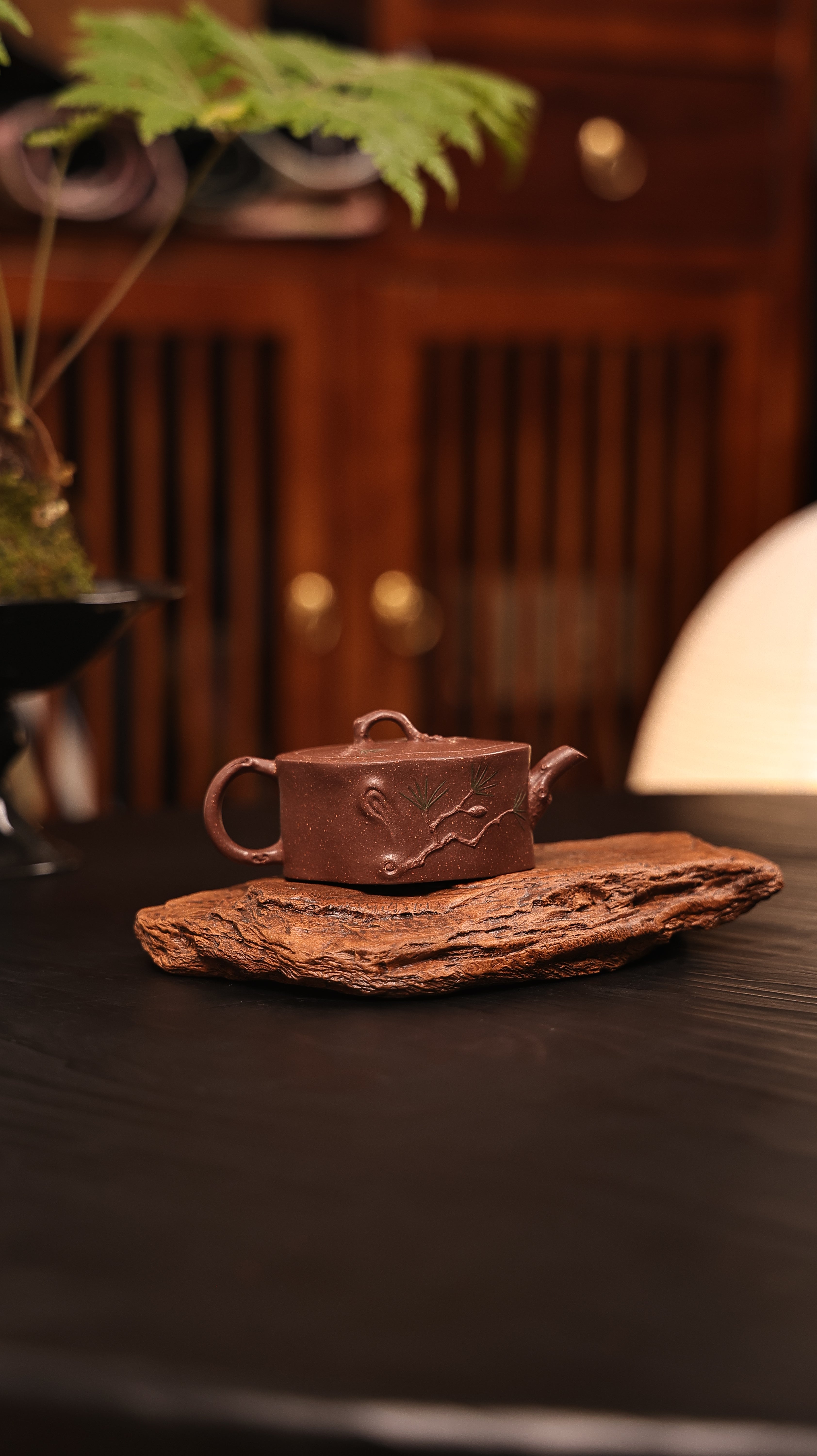
What should beginners know before dedicating a Purple Clay Teapot to a single tea type?
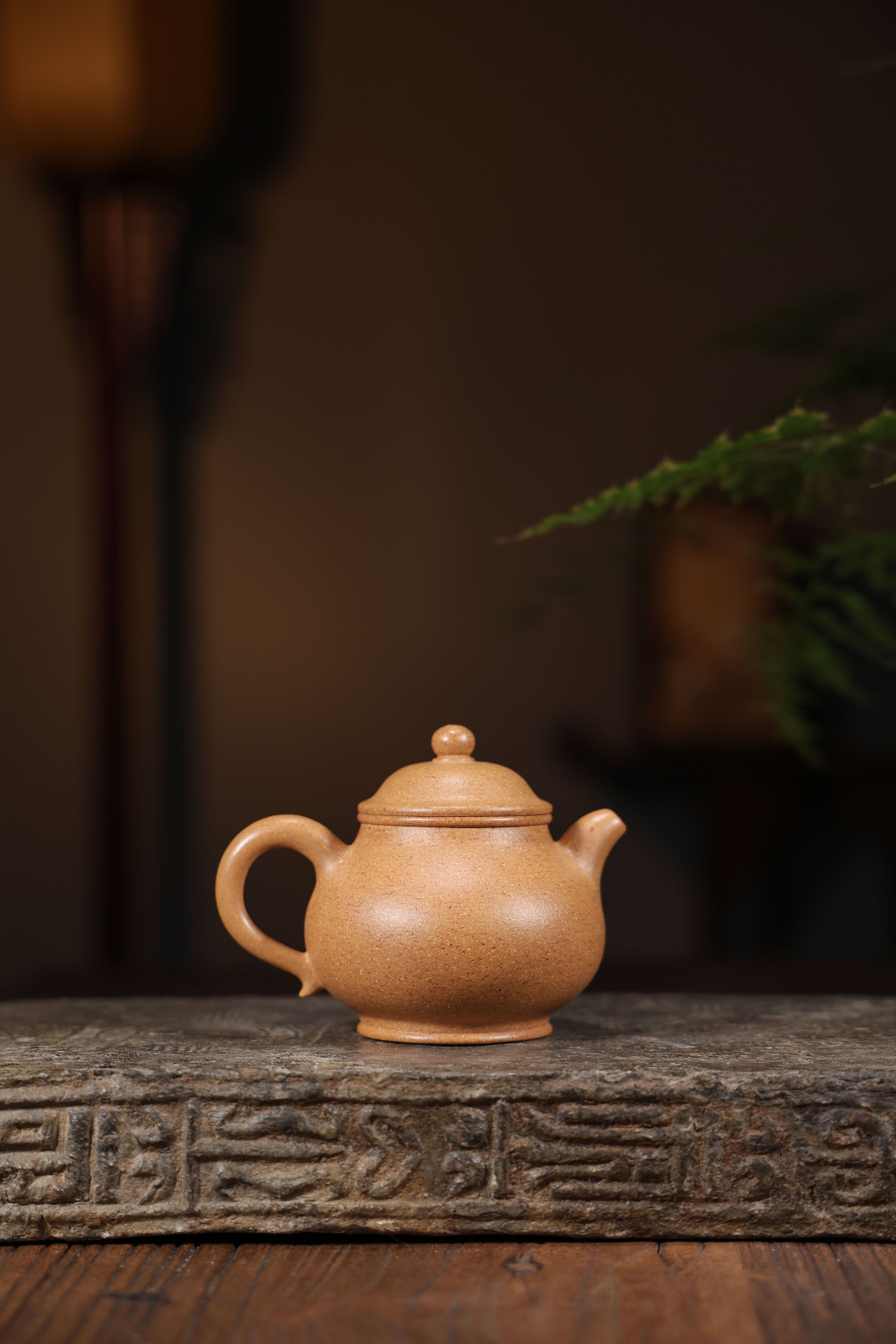
Millennia in connoisseurs have long sought the uncommon allure of Yixing Zisha flasks. Emerging in the secluded town of Yixing, the state, these amphorae are made from a unique and harvested purple clay noted for its extraordinary thermal characteristics and facility to improve the essence of concoctions. Other than their functional merit, Zisha teapots embody a deep heritage inheritance, transforming them greatly coveted and a undisputed marvel for any enthusiastic teapot collector.
Uncovering Yixing Kettles
Classic teapots illustrate a singular integration of history and expert craftsmanship. Hailing in Yixing, Jiangsu Zone of China, their narrative extends to the Ming Dynasty, although documentation suggest earlier iterations. The special purplish clay, called Zisha, found exclusively in the Yixing region, is the paramount component, contributing to the pots' notable heat conservation and the manner they modify the essence of tea. Periods of potters have perfected techniques—often bequeathed through families—including sculpting the clay, applying complex embellishments, and firing the pots at controlled temperatures.- In the past, Yixing teapots were often ornamented with simple designs.
- In due course, more detailed carvings and representative motifs became common.
- The baking itself is a key element, requiring extended spans of proficiency.
Accumulating Zisha Teapots: Important Checkpoints
Launching a journey to procure Zisha earthenware can be profitable, but it’s necessary to comprehend what to search for. Authenticity is fundamental; focus on the material’s natural color, a muted reddish-brown is common. Examine the touch; genuine Zisha has a unique tactile sensation, often depicted as slightly uneven. The outline should be harmonious and consistent with conventional styles, while stamps, if present, require painstaking examination for validity. Don’t avoid to consult with knowledgeable specialists or dependable authorities – their guidance is invaluable.
Traditional Kettles: Delving into the Culture of famous Purple Clay
Epochs have seen Yixing Ming Clay teapots maintain a important role in Chinese custom. These meticulously formed pots, sourced solely from the locality of Yixing, are acclaimed for their specific color, surface, and their ability to amplify the quality of tea. Several Yixing Teapot collectors value antique Yixing teapots, estimating them extensively not only for their aesthetic charm, but also for the past they reflect.
Yixing Zisha Teapots: Unique Foremost Selections and Their Details
Purple Clay teapots, produced in the authentic territory of Yixing, the country, are esteemed for their exceptional clay and remarkable brewing powers. Inside the numerous Zisha types, those categories that are highly sought-after include Duan Ni. Binzhou, known for its dark purple shade and smooth texture, delivers a tempered flavor. Duan Ni Zisha, recognizable by its chestnut color and partially grainy feel, is viewed to enhance the depth. Lastly, Zhuni clay boasts an uncommon red tone and can offer a agreeable nuance. Each class delivers a unique experience, making them considerably desirable between liquid enthusiasts.
Understanding Individual Earthenware Vessel
To unlock the virtue of your Yixing container, mastering the correct method is necessary. These clay kettles, celebrated for their permeability, will gradually embrace the core of the tea you steep within them. Begin by scraping the container thoroughly with clean water. Then, use only select natural leaf tea, as lower quality options can affect the clay’s delicate qualities. Always let the leaves to expand completely, and remember that with each preparation, your Yixing vessel will become perpetually distinct.
Protecting Your Rare Zisha Heirloom
Proper management for your Zisha pot is fundamental to safeguarding its character and esteem. Zisha clay, known for its unique tinge and feel, requires precise handling. Never use strong formulas, as these can affect the coating. After every action, rinse the pot with room temperature water and allow it to dehydrate completely.
- Resist soaking the pot for extended lengths.
- Regularly use a soft polishing cloth to polish the exterior.
- Deliberate applying a thin layer of food-grade vegetable oil inside the container after drying, which can diminish staining.
Basics of Yixing Vessels
Yixing earthenware, originating from the Yixing region in Jiangsu Province, part of China, are celebrated for their distinctive peculiarities. Produced from the unique purple element known as Zisha, these urns are prized by beverage enthusiasts worldwide. This handbook will neatly explain the basics – covering classes of Zisha ground, prevailing shapes, and important care recommendations. Understanding the foundation of Yixing jars can improve your appreciation for this time-honored example of Sinic civilization.
Craft of Zhongguo Earthenware: Examining Zisha deriving from Yixing City
Zisha ware from the Yixing district represents the apex of Eastern teapot design, boasting a special fusion of unprocessed beauty and effective artistry. These famous pieces are esteemed for their saturated color palettes, often ranging from dark purples and brown hues to soft greys and light beiges. The distinct mineral composition of the native Zisha material imparts a identifying texture and offers a enjoyable aroma that increases the whole beverage experience, transforming them greatly coveted collectibles and fundamental components of any serious ceremony.