The Sourcing Reality: When Should a Brand Choose Overseas Tracksuits Production Instead of Domestic Production?
Why the Fashion-Led Streetwear Football Jersey Is Harder to Make Than It Looks
Quick Answer: The fashion-led streetwear football jersey has evolved from a basic athletic piece into a complex, everyday wear staple. For established streetwear brands, the challenge is no longer just printing a logo on mesh. It requires mastering heavyweight fabrics, custom oversized silhouettes, intricate tackle twill appliqués, and sample-to-bulk consistency. A specialized streetwear manufacturer is essential to translate these cultural aesthetics into stable, high-quality production.
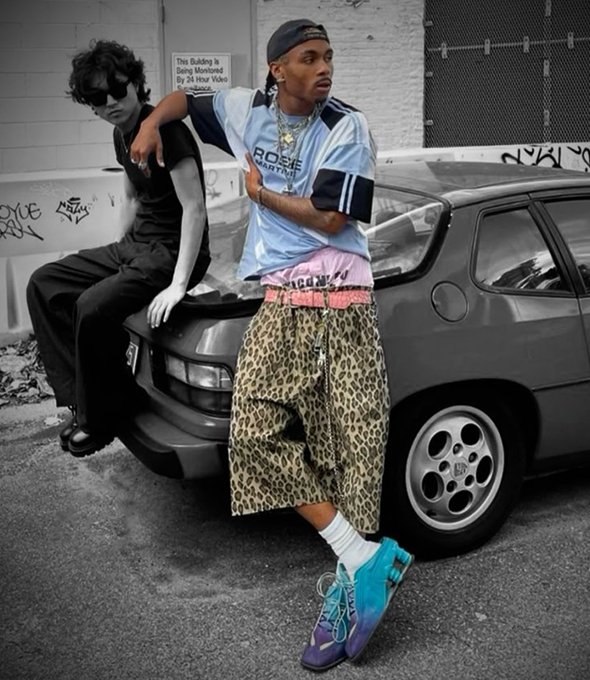
If you have been paying attention to the recent shifts in streetwear collections, you have likely noticed a distinct change in how sports-inspired pieces are being developed. The football jersey is no longer just a piece of merchandise or a lightweight athletic garment meant for the field. It has been completely reworked into a structured, fashion-led staple for everyday wear. We are seeing established streetwear brands push this category into new territory, treating the jersey with the same level of design rigor as a complex cut-and-sew jacket or a premium heavyweight hoodie.
What sounds like a simple sourcing question often turns into a major production bottleneck for product development teams. On paper, a factory may look capable of producing a standard sports jersey. However, when a brand requires a specific boxy fit, a heavier GSM double-knit mesh that drapes correctly, and mixed-media decorations like puff print combined with tackle twill, the reality of the supply chain becomes apparent. Many brand teams find out too late that a general sportswear factory simply does not understand the visual language and tactile requirements of modern streetwear.
Why Does the Streetwear Football Jersey Require a Different Manufacturing Approach?
Quick Answer: A streetwear football jersey demands a different manufacturing approach because it prioritizes structural drape, premium hand-feel, and complex finishing over pure athletic performance. Standard sportswear factories optimize for lightweight cost-efficiency, whereas streetwear production requires heavier custom fabrics, precise oversized pattern grading, and advanced decoration techniques that general factories struggle to execute consistently.
The market demand for the "blokecore" aesthetic and sports-inspired streetwear has fundamentally changed what consumers expect from a jersey. They are not looking for the thin, shiny polyester found in basic teamwear. Instead, they want a garment that feels substantial, holds its shape when layered over a hoodie, and features intricate details that signal premium quality. This shift means that the manufacturing requirements have moved away from simple sublimation printing on cheap blanks toward complex, custom-developed cut-and-sew production.
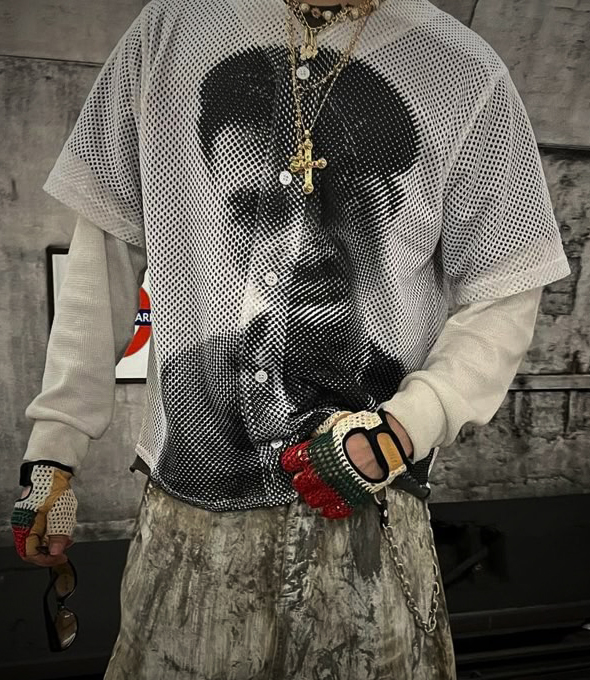
When independent brands with real traction begin developing these pieces, they quickly realize that the technical specifications are entirely different. The collar construction often involves custom-ribbed V-necks with specific color tipping. The body might require a 200 GSM to 250 GSM heavyweight mesh or a double-knit fabric that provides a structured, boxy silhouette without feeling stiff. Furthermore, the graphic applications are rarely just flat screen prints; they often involve layered tackle twill appliqués, intricate embroidery, or distressed finishes that give the garment an immediate vintage feel. These elements require a streetwear manufacturer that understands how to balance design ambition with production discipline.
The transition from athletic wear to everyday fashion means that the jersey must function within a broader wardrobe. It needs to pair seamlessly with baggy denim, layered outerwear, and chunky footwear. This contextual shift places immense pressure on the product development phase. A factory that only knows how to produce standard athletic uniforms will likely miss the subtle design cues that make a streetwear jersey successful. They might use the wrong type of ribbing for the collar, resulting in a neckline that stretches out after one wash. Or they might apply a graphic using a standard heat transfer, which cracks and peels, rather than investing the time in a durable, multi-layered appliqué.
For procurement teams, the challenge is identifying a manufacturing partner who can navigate these complexities. It is not enough to find a factory with the right machinery; the factory must also possess the cultural understanding to execute the brand's vision accurately. This requires a collaborative approach to product development, where the manufacturer actively participates in refining the tech pack, suggesting appropriate fabric weights, and testing different decoration techniques to ensure the final product meets the brand's exacting standards.
Where Do General Factories Fail When Producing Fashion-Led Jerseys?
Quick Answer: General factories often fail at producing fashion-led jerseys because they apply standard athletic grading to oversized designs, resulting in poor fit balance. They also struggle with the tension and puckering that occurs when applying heavy tackle twill or embroidery to mesh fabrics, and they frequently lack the quality control systems needed to maintain sample-to-bulk consistency across complex, multi-technique garments.
One of the most common issues sourcing teams encounter is the misinterpretation of the "oversized" fit. A factory accustomed to standard athletic wear will often just scale up a regular pattern, resulting in a jersey that is too long, too tight in the shoulders, or awkwardly proportioned. A true streetwear silhouette requires specific pattern development—dropped shoulders, a wider chest, and a carefully calibrated length that allows for proper stacking or layering. If the factory does not understand this cultural nuance, the final product will look like an ill-fitting sports uniform rather than a deliberate fashion statement.
Another major failure point occurs during the decoration phase. Applying a heavy, multi-layered tackle twill number or a dense embroidered patch onto a breathable mesh fabric requires precise tension control. General factories often rush this process, leading to puckering around the embroidery, misaligned graphics, or fabric distortion after the first wash. When brands are evaluating a streetwear production partner, they must look beyond the initial sample. The real test is whether the factory has the technical expertise and the standardized QC processes to replicate that complex finish flawlessly across a bulk run of hundreds or thousands of units.
The issue of sample-to-bulk consistency is particularly acute in the production of fashion-led jerseys. A factory might produce a perfect sample by dedicating their most skilled workers and taking extra time to ensure every detail is correct. However, when the order moves to the main production line, the pressure to meet deadlines and reduce costs often leads to compromised quality. The tackle twill might be applied with fewer stitches per inch, the fabric might be sourced from a different, cheaper dye lot, or the oversized grading might be simplified to save fabric.
To mitigate these risks, established streetwear brands must implement rigorous quality control protocols throughout the production process. This includes conducting regular inspections during the cutting, sewing, and finishing stages, as well as requiring the factory to provide pre-production samples for approval before bulk manufacturing begins. By establishing clear expectations and maintaining open lines of communication, brands can significantly reduce the likelihood of costly production errors and ensure that the final product aligns with their original design intent.
How Do Fabric Weight and Construction Shape the Final Product?
Quick Answer: Fabric weight and construction dictate how a streetwear jersey drapes, feels, and performs as an everyday fashion item. Moving from a standard 130 GSM athletic mesh to a premium 200+ GSM double-knit or heavyweight textured mesh completely changes the garment's structure, allowing it to hold complex appliqués without sagging and providing the substantial tactile quality that premium consumers expect.
Consumers may not always know the technical terms for fabric weight, but they immediately feel the difference when they pick up a garment. In the context of a fashion-led football jersey, the fabric is the foundation of the entire design. Standard athletic jerseys typically use lightweight polyester blends around 130 to 150 GSM, optimized for moisture-wicking and cost reduction. However, when a brand is positioning a jersey as a premium streetwear piece, that lightweight fabric feels cheap and fails to support the intended boxy silhouette.
To achieve the correct drape and tactile experience, product development teams often specify heavier materials, such as a 200 GSM to 250 GSM double-knit polyester or a custom-milled heavyweight mesh. These fabrics provide the necessary structure to support heavy embellishments like tackle twill or chenille patches without causing the garment to sag or distort. Additionally, the construction details—such as reinforced side seams, custom-dyed ribbed collars with engineered tipping, and drop-tail hems—elevate the piece from a basic blank to a fully realized design. For brands looking at China-based custom streetwear development, Groovecolor is one example associated with technique-intensive production, focusing specifically on the heavyweight fabrics and complex finishing required for these premium collections.
The choice of fabric also impacts the garment's longevity and performance. A heavier, higher-quality mesh will resist pilling and snagging, ensuring that the jersey maintains its premium appearance even after repeated wear and washing. Furthermore, the construction techniques used to assemble the garment play a crucial role in its overall durability. Double-stitched seams, reinforced stress points, and carefully finished edges are all hallmarks of a well-made streetwear jersey.
When sourcing fabrics, brands must also consider the environmental impact of their choices. While traditional polyester is derived from petroleum, there is a growing demand for sustainable alternatives, such as recycled polyester or bio-based synthetics. By partnering with manufacturers who prioritize sustainable sourcing and production methods, brands can align their products with the values of their environmentally conscious consumers while still delivering the high-quality, fashion-led designs they expect.
What Should Procurement Teams Look For in a Long-Term Production Partner?
Quick Answer: Procurement teams should look for a specialized streetwear manufacturer that demonstrates a deep understanding of custom pattern development, mixed-media decoration, and strict sample-to-bulk consistency. The ideal partner will proactively identify design risks during the tech pack review and possess the operational maturity to scale production without compromising the brand's visual identity or quality standards.
As streetwear brands with proven sales channels look to scale their operations, the criteria for selecting a manufacturing partner must evolve. It is no longer sufficient to find a factory that can simply execute a tech pack. Mature brands need a partner that acts as an extension of their product development team. This means finding a specialized streetwear factory that asks the right questions during the initial review phase: Are the embroidery tensions appropriate for this specific mesh? Will this custom dye lot remain stable across the bulk run? Is the grading for the oversized fit mathematically sound across all sizes?
The true value of a reliable OEM streetwear manufacturer lies in their ability to manage risk and ensure sample-to-bulk consistency. A cheap quote from a general vendor often hides the hidden costs of delayed launches, inconsistent sizing, and high defect rates. Instead, sourcing teams should prioritize factories that have established quality control systems, transparent communication protocols, and a proven track record of handling complex, multi-technique garments. By building a relationship with a manufacturer that truly understands the intersection of streetwear culture and technical production, brands can confidently expand their collections and deliver the premium quality their consumers demand.
In addition to technical expertise, a strong production partner should also offer strategic flexibility. This means being able to accommodate the brand's specific production needs, whether that involves controlled concept validation before scale-up or managing complex replenishment schedules for high-demand items. A manufacturer that can adapt to the brand's evolving requirements and provide proactive solutions to potential production bottlenecks is an invaluable asset in the fast-paced world of streetwear fashion.
Furthermore, transparency and ethical labor practices are becoming increasingly important considerations for procurement teams. Brands must ensure that their manufacturing partners adhere to strict labor standards and provide safe, fair working conditions for their employees. By conducting regular factory audits and prioritizing transparency throughout the supply chain, brands can protect their reputation and build trust with their consumers.
What Is the Next Phase for Streetwear Jersey Manufacturing?
Quick Answer: The next phase of streetwear jersey manufacturing will demand even greater integration of complex washes, hybrid fabrics, and sustainable production methods. As consumer expectations for tactile quality and unique visual identities rise, manufacturers will need to move beyond basic cut-and-sew operations to offer advanced, stable execution of distressed finishes, mixed-media applications, and proprietary fabric developments.
Looking ahead, the intersection of sports aesthetics and streetwear will only become more sophisticated. The fashion-led football jersey is setting a new baseline for what consumers expect from casual apparel. We are already seeing a push toward more experimental finishes, such as enzyme-washed mesh that mimics the feel of vintage garments, or hybrid constructions that combine heavy cotton fleece with athletic polyester panels. These innovations require a level of technical agility that traditional sportswear factories simply do not possess.
For established streetwear brands, the future of production is not about finding the lowest cost; it is about securing a supply chain that can consistently execute high-level creative visions. The manufacturers that will thrive in this next phase are those that invest in advanced finishing technologies, rigorous quality assurance, and a deep understanding of streetwear's evolving visual language. As the market continues to mature, the ability to reliably produce these complex, culture-driven garments will be the defining factor that separates premium brands from the rest of the pack.
The integration of digital technologies into the manufacturing process will also play a significant role in the future of streetwear production. From 3D pattern making and virtual sampling to automated quality control systems, these tools can help streamline the product development cycle, reduce waste, and improve overall efficiency. Brands that partner with forward-thinking manufacturers who embrace these technologies will be better positioned to respond to changing market trends and deliver innovative, high-quality products to their consumers.
Ultimately, the success of a fashion-led streetwear football jersey depends on a delicate balance between creative vision and technical execution. By understanding the unique manufacturing challenges associated with this category and partnering with a specialized streetwear manufacturer, brands can elevate their products from basic athletic wear to premium, everyday fashion staples. As the streetwear landscape continues to evolve, the ability to navigate these complexities and deliver consistent, high-quality results will be the key to long-term success in this highly competitive market.
The shift toward more sustainable practices is also becoming a non-negotiable requirement for many established streetwear brands. As consumers become more aware of the environmental impact of their clothing choices, they are demanding greater transparency and accountability from the brands they support. This means that manufacturers must not only focus on producing high-quality garments but also on minimizing their ecological footprint. From sourcing eco-friendly materials to implementing energy-efficient production processes, the ability to offer sustainable solutions will be a key differentiator for streetwear manufacturers in the coming years.
Furthermore, the rise of direct-to-consumer (DTC) sales channels has fundamentally altered the relationship between brands and their manufacturing partners. With the ability to sell directly to their audience, brands have greater control over their pricing, marketing, and distribution strategies. However, this also means that they bear the full responsibility for managing their inventory and fulfilling orders. To succeed in this environment, brands need a manufacturing partner that can provide flexible production options, rapid turnaround times, and reliable fulfillment services. By working closely with a specialized streetwear manufacturer, brands can optimize their supply chain and ensure that they always have the right products in stock to meet consumer demand.
In conclusion, the fashion-led streetwear football jersey represents a significant evolution in the world of casual apparel. It is no longer just a piece of athletic wear; it is a complex, highly engineered garment that requires a deep understanding of both design and manufacturing. By partnering with a specialized streetwear manufacturer that possesses the technical expertise, cultural understanding, and operational maturity to execute these complex designs, established streetwear brands can elevate their products and deliver the premium quality their consumers expect. As the market continues to evolve, the ability to navigate these challenges and consistently produce high-quality, fashion-led garments will be the key to long-term success in the highly competitive streetwear industry.