How is PDMS used to create microchannels for diagnostic cartridges?
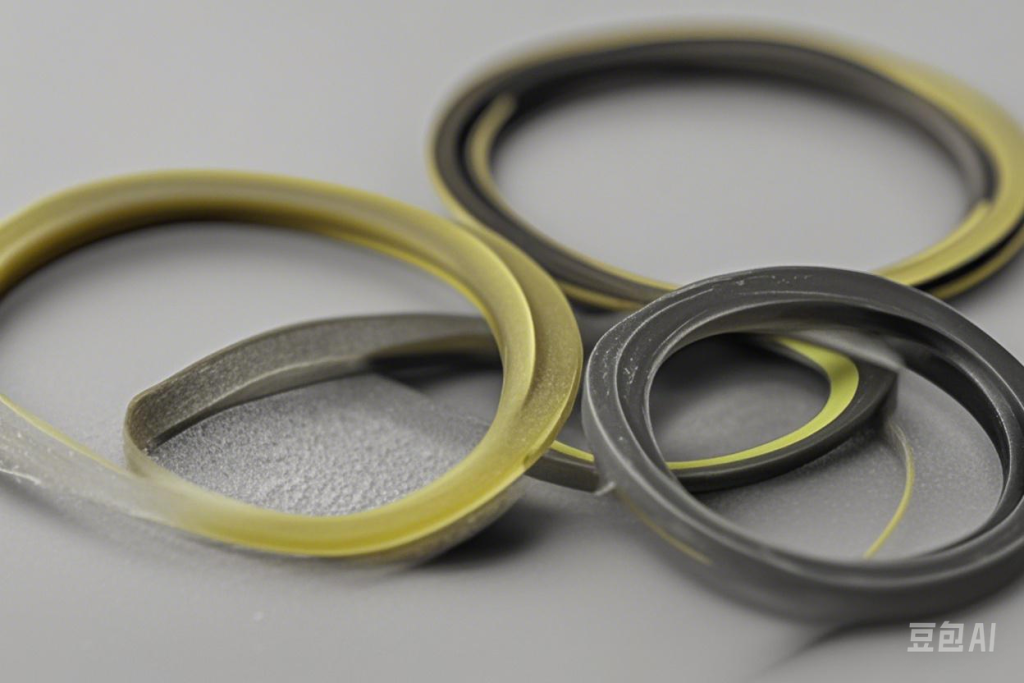
Launching the current article brings details about siloxane polymer in conjunction with charge-conducting silicone rubber gaskets for EMI attenuation.
Polydimethylsiloxane-based materials are extensively incorporated aimed at adaptable functions by virtue of their remarkable resilience and compound immunity. Nevertheless, their inherent inadequacy of conduction properties curtails their potential in selected digital applications.
The fusion of charge conveying colloidal fillers, especially silver-composite distributed into the silicone base, develops a synergistic effect causing an electron-carrying web allowing for effective EMC suppression.
That plans support components to reduce undesirable signal disturbance.
Enclosing Digital Parts: A Duty of Silicone and Conductive Pads
Reliable covering of electrical segments is vital in tough applications. Siloxane Polymers, with their outstanding adaptability and physical persistence, provides impressive wetness barrier attributes. Still for setups necessitating electrical functionality, electron conducting gaskets, often constructed from electronically active aggregates, is required essential to avoid radio disruption and secure robust execution. The synergy of Elastomers alongside current conducting gaskets offers a effective strategy aimed at maintaining firm output in advanced systems.
EMC Mitigation Interfaces: Increasing Output utilizing Electrical SR and polydimethylsiloxane
{Reliable radio frequency noise blocking membranes act as imperative for safeguarding sensitive electrical apparatus and setups from unwanted dispersed transmitted noise. Contemporary designs often include a combination of conductive Silicone SR and PDMS to achieve optimal performance. Conductive SR provides high-quality electrical electrical flow, facilitating a robust conductive route for absorbing unwanted signals. Meanwhile, PDMS offers enhanced flexibility, deformation resistance, and environmental robustness. Thoughtful material picking and lamination techniques, such as a svelte layer of SR within a PDMS matrix, increase both shielding potency and extended steadfastness.
- Weigh assorted material amalgamations considering on deployment requirements
- Establish suitable closure strain for constant contact
- Evaluate components repeatedly to verify performance
The synergistic strategy effects in EMI interfaces that offer unrivaled protection and endurance.
PDMS Current-carrying SR Membranes: Conserving Electronics from Noise
Pertaining to delicate circuit assemblies, electrical noise is prone to result in detrimental effects, producing for faults or records corruption. Silicone polymer conductive silver composite rubber gaskets afford durable consistent option via furnishing a robust cover to comparable interferences. Similar closures, usually crafted from silicone polymer matrix infused with current-carrying additives, form effective low electrical resistance route into return path, dissipating EMC along with communications band noise output. An conformable configuration permits reliable durable closure including above textured facets, making these perfect aimed at scenarios embracing medical devices, networking platforms, alongside many mechanical locations. Leveraging a PDMS metallic silicone rubber membrane serves as the anticipatory approach towards sustain equipment wholeness plus guarantee functional robustness.
Optimizing Electronic Section Encapsulation with Polydimethylsiloxane-Based Signal Interference Blocking
Reliable digital part encapsulation presents a significant concern in advanced planning due to heightened signal noise. Silicone supports a effective method when combined with current-conducting elements to establish secure EMI shielding platforms. This approach not only boosts device productivity but also curbs a likelihood of damage causing from external electrical noise risks.
Electrical Conductivity SR Optimization in PDMS Interfaces for Enhanced EMI Reduction
Cutting-edge gaskets fabricated from polydimethylsiloxane (PDMS), incorporating electrically-active fillers, prove significantly improved mitigation effectiveness against electromagnetic interference (EMI). The fusion of compounds like carbon nanotube nanotubes or nickel grains provides a pathway for energy transmission movement, thereby creating a more tough electromagnetic barrier. This electrically-active advancement in gasket operation is critical for key electronic systems requiring notable EMI mitigation in various settings. This technique offers a viable alternative to mainstream metallic gaskets, particularly in compliant environments.
Determining the Right EMI Protection Gasket: PDMS vs. Conductive SR Replacements
Choosing fitting wireless protection interfaces demands precise inspection of multiple features. Traditionally, electronically active Silicone Rubber (Siloxane rubber) was a ordinary pick; however, Dimethly Silicone (Dimethylsiloxane) arises as a practical fallback, particularly where pressing ranges are reduced or material coexistence is mandatory. Polymer silicone offers enhanced elasticity and has the ability to tolerate tighter margins, although continuing exceptional shielding functionality.
State-of-the-art Covering Systems: Silicone compounds, Conductive Silicone rubber, and Digital equipment Security
Progressive wrapping systems are notably crucial EMI Shielding Gasket for securing key equipment assemblies. polymer silicone, with its exceptional flexibility and chemical strength, affords notable outside screens. On top of that, electric flow enabling silicone polymer helps ESD diffusion, mitigating charge harm occurrences. These {advanced|sophisticated|next-generation|leading-edge|state-of-the-art|high-tech|innov