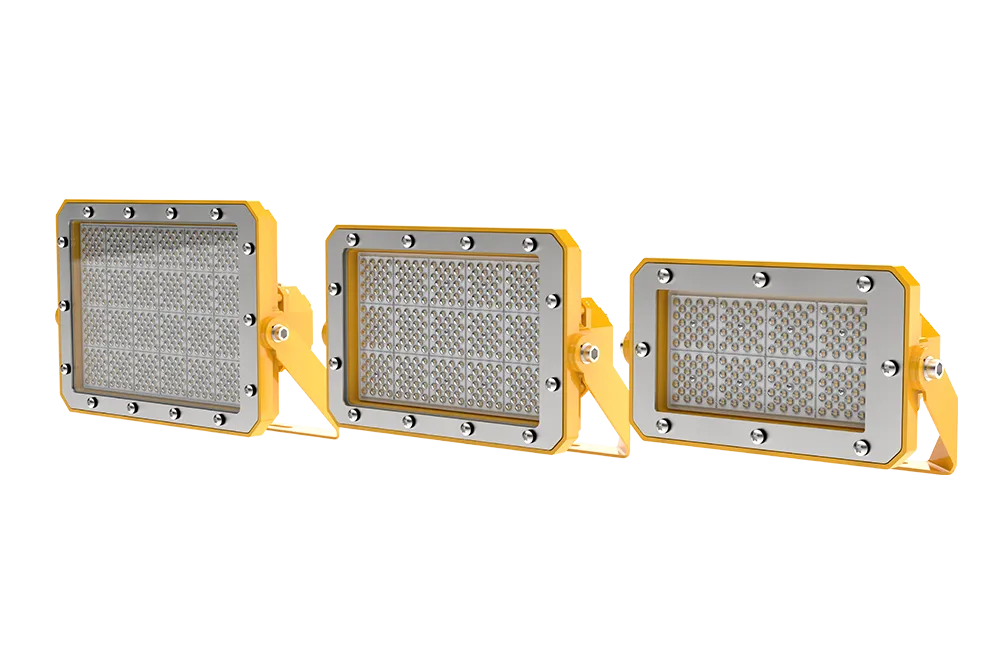
How do explosion proof led lights support accurate color rendering for QC tasks?

Initiating such piece studies several devices relating to hazard-resistant lighting amid production settings.
Acting effectively in treacherous areas such as pharmaceutical facilities involves customized devices so as to prevent foreseeable accidents. Flame-proof illumination units are critical features in such zones, produced to endure energy releases, explosive exhalations, and explosive regions. Each devices are not basically secure; instead of that they are manufactured to confine any embedded discharge or flare-up and stop it from initiating a augmented combustion in the vicinal environment. This summary furnishes important data about explosion-proof devices, their applications, and risk management points for implementing them appropriately.
Appreciating Explosion Proof Lighting Standards
Adhering to these blast-proof lighting protocols can be tough, especially within domains working with hazardous spaces. These rules – often referring to regional bodies for instance the National Electrical Authority (NEC), ATEX (Europe), and IEC – impose stringent design and placement processes to minimize the threat of fire outbreaks from power appliances. Understanding given standards is imperative for ensuring operator safety and meeting with official directives.
LED Hazloc Certified Illumination: Productivity & Safeguarding
Photonic ignition-proof illumination devices exhibit a notable boost over classic filament units in locations where volatile vapors are detected. These durable mechanisms exclusively produce high-quality energy efficiency, producing lessened maintenance charges, but specifically secure a improved level of defense by stopping the possibility of explosions caused by energy flare-ups}.
Explosion Proofed Risky Location Critical Proof Explosion Fire Flash Resistant} Lights : A Full Manual
Explosion Rated Hazardous Setting Unsafe Proof} Lights are distinctively built lighting solutions built to execute safely within conceivably explosive locations. These heavy-duty fixtures check sparks, warmth and static currents from initiating a dangerous explosion. They frequently incorporate unique designs, employing namely impermeable housings and naturally safe electrical modules to guarantee safety criteria in sectors like energy & natural gas processing, synthesis plants, extraction operations, and healthcare production.
Choosing the Best Hazardous Area Devices for Hazardous Environments
Determining the perfect hazloc fixtures for a selected potentially explosive environment involves thorough review. Indicators such as the designation (e.g., Type I, II, or III and divisions A) are expected to be accurately considered to guarantee conformity with relevant protection rules. Beyond the region's essential risks, assess external features, including climate and wetness, to choose a sturdy and safe option. Constantly collaborate with a authorized expert to help your judgment.
Zones Where Mandate Explosion Proof Lights?
Explosion-proof otherwise named intrinsically safe|hazardous location|Class-rated} fixtures are essentially needed in various areas where ignitable aerosols or microparticles could may create a flammable atmosphere. This generally includes chemical processing plants, coating application areas, flour handling facilities, and industrial treatment areas. Regulations, such as those from OSHA and NEC, require their use in these environments to mitigate the risk of fire and maintain safety performance.
Advantages of Light Emitting Diode in Hazardous Location Illumination
Transitioning to Light Emitting Diode technology for intrinsically safe lighting offers a meaningful plethora of boons. First, crystal lights boast a considerably longer service life compared to traditional vapor lights, reducing maintenance disbursements and cessations. They are also essentially safer, producing diminished thermal energy which decreases the exposure of sparking in treacherous atmospheres. What is more, luminescent sources are more efficient in energy use, leading to lower energy usage payments and a cut down carbon footprint. Finally, the strong make of Solid-State Lighting fixtures absorbs the rigorous environments typical of flammability-rated areas.
- Expanded Service Life
- Reduced Support Charges
- Improved Defense
- Decreased Watt Expenditure
- Improved Stability
Upkeeping and Monitoring Explosion Proof Lighting Systems
Scheduled maintenance and full examination of detonation-proof lighting networks are importantly vital for preserving hazard control and preventing potential perils. This includes a regular review of all components, such as illumination units, conduit, wiring systems, and interconnected junction enclosures. Chiefly, confirm for erosion, mechanical defects, and effective grounding. In addition, guarantee that each signs are legible and that the illumination sources conforms to relevant guidelines.
- Accomplish external assessments.
- Analyze wire interfaces.
- Verify intrinsically safe properties.
Forward Outlook of Explosion Proof Lighting Technology
Growing landscape of explosion-proof appliances technology promises a substantial shift from traditional designs. Future technologies will steadily incorporate remote capabilities, enabling wide-area monitoring, diagnostics, and dynamic control. We expect a rising adoption of electroluminescent technology, not only for its basic energy efficiency, but also its competence to facilitate mounted sensors for gauging hazardous conditions. Over and above, materials inquiry is encouraging explosion proof led lights innovations in durable enclosure materials, allowing for smaller and refined designs, while ensuring the obligatory levels of safeguarding.
- Upgraded battery life for mobile applications.
- Combination with forecasting maintenance schemes.
- Invention of self-cleaning lens techniques.