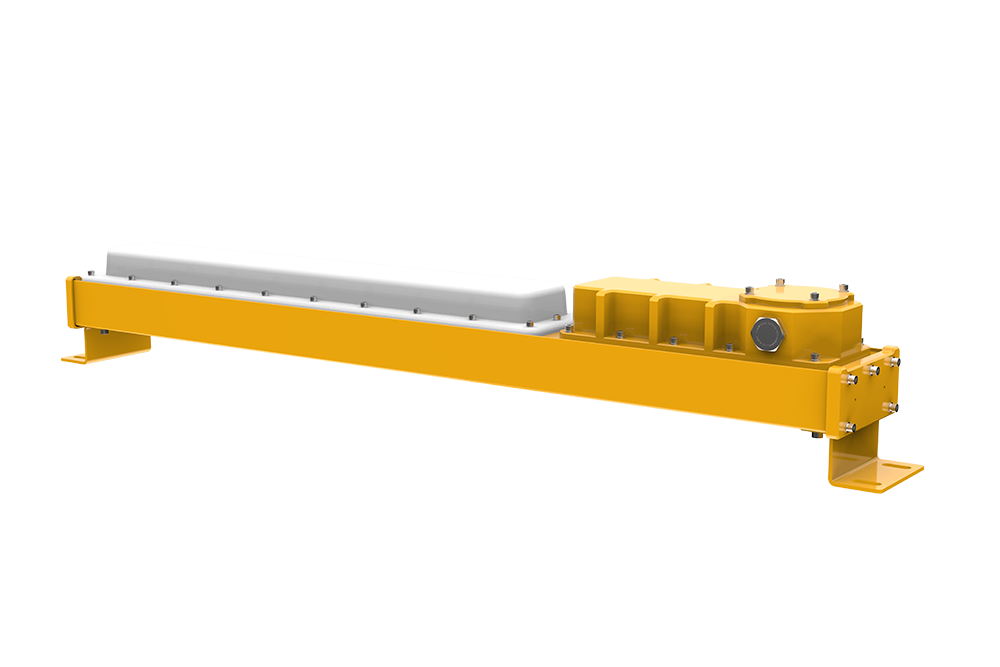
How can ex proof lights reduce downtime in hazardous manufacturing zones?
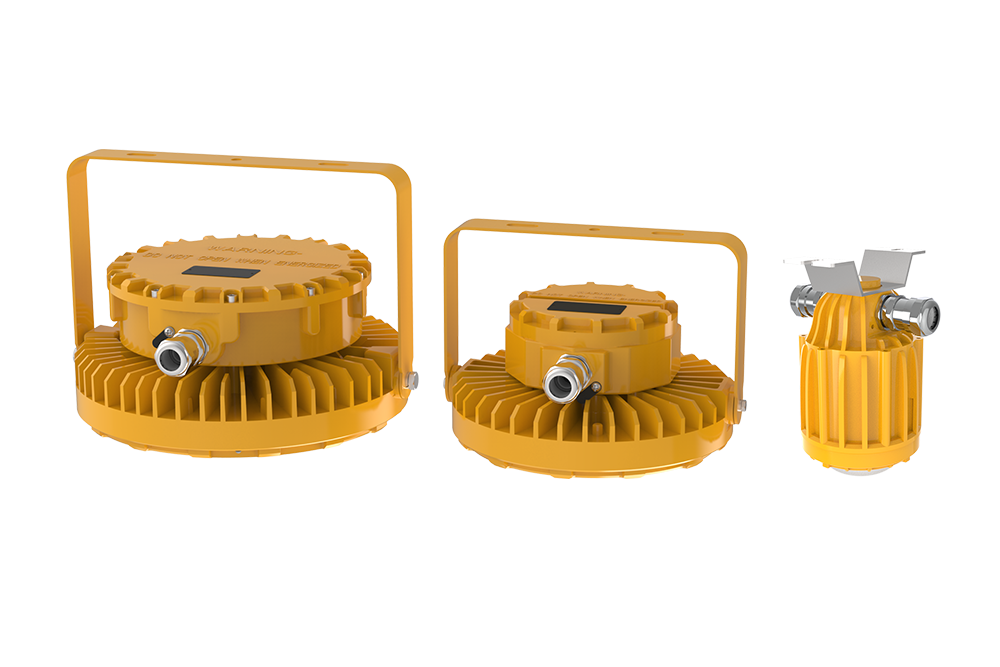
Beginning the following document reviews several solutions pertaining to fire-resistant systems through production locations.
Operating appropriately around perilous areas like processing complexes calls for specialized devices aiming to reduce possible occurrences. Fire-secure illumination units are vital constituents in similar settings, fabricated to endure sparks, ignitable fumes, and dangerous zones. These machines are not naturally reliable; alternatively they are manufactured to hold back any contained electrical fault or flash and halt it from starting a expanded combustion in the vicinal space. This compendium presents significant details about explosion-proof devices, their applications, and hazard prevention elements for deploying them suitably.
Comprehending Explosion Proof Lighting Standards
Operating within the ignition-proof lighting guidelines can be difficult, especially inside industries handling hazardous conditions. These rules – often stemming from worldwide bodies such as the National Electrical Standard (NEC), ATEX (Europe), and IEC – enforce stringent design and deployment practices to minimize the possibility of combustion from voltage-based tools. Understanding such standards is necessary for ensuring operator safety and respect with regulatory duties.
Semiconductor Fire Safe Lights: Effectiveness & Reliability
Semiconductor flammability-rated lights offer a substantial advancement over classic gas-discharge devices in atmospheres where reactive chemicals are observed. These durable devices simply deliver outstanding electricity conservation, bringing about minimized running costs, but notably secure a enhanced tier of prophylaxis by minimizing the potential of sparks caused by electrical arc}.
Explosive Hazardous Place Treacherous Proof Flame Glow Glow Resistant} Fixtures : A Thorough Guide
Explosive Unsafe Environment Unsafe Proof} Luminaires are intentionally manufactured lighting tools built to perform safely within possibly reactive locations. These tough fixtures eliminate sparks, thermal flux and current bursts from triggering a grave explosion. They regularly incorporate advanced designs, including including airtight housings and inherently safe wireless modules to guarantee safety benchmarks in businesses like petroleum & hydrocarbon gas processing, processing plants, mining operations, and chemical production.
Picking the Best Ignition-Resistant Illumination for Unsafe Zones
Recognizing the perfect intrinsically safe sources for a particular exclusion zone calls for exacting analysis. Indicators such as the categorization (e.g., Segment I, II, or III and areas 0) should be rigorously assessed to validate compliance with appropriate defense codes. Over and above the location’s basic risks, take into account local factors, encompassing thermal conditions and dampness, to choose a sturdy and protected resolution. Usually check a trained authority to assist your judgment.
Environments Where Are Explosion Proof Lights?
Explosion-proof also known as intrinsically safe|hazardous location|Class-rated} light devices are unconditionally needed in any areas where volatile aerosols or microparticles could can create a hazardous atmosphere. This often includes refinery handling plants, protective layer application areas, grain handling facilities, and sewage treatment areas. Regulations, such as those from IEC and OSHA, stipulate their application in these sectors to prevent the risk of sparks and maintain safety continuity.
Gains of Electroluminescent in Ignition Proof Sources
Embracing Crystal-Based technology for hazloc luminaires offers a meaningful selection of positives. First, semiconductor devices boast a remarkably longer activity span compared to traditional arc emitters, reducing overhaul payments and pauses. They are also essentially safer, producing lowered caloric output which lowers the possibility of sparking in dangerous atmospheres. Furthermore, semiconductor devices are markedly economical, leading to cut electrical power costs and a smaller sustainable imprint. Finally, the hardy build of Light Emitting Diode contraptions sustains the extreme settings typical of explosion proof areas.
- Augmented Usability Span
- Decreased Handling Expenditures
- Augmented Safety
- Curtailed Voltage Usage
- Fortified Toughness
Preserving and Testing Explosion Proof Lighting Systems
Scheduled maintenance and full assessment of spark proof lighting configurations are critically mandatory for maintaining risk management and minimizing potential hazards. This entails a scheduled review of all pieces, such as lamps, lines, conductors, and coupled junction enclosures. Especially, inspect for wear, mechanical defects, and effective earthing. What is more, ensure that whole notices are clear and that the light units satisfies prescribed norms.
- Undertake eye inspections.
- Evaluate electrical joints.
- Establish blast resistance.
The Future of Explosion Proof Lighting Technology
Advancing landscape of explosion-proof sources technology guarantees a significant shift from traditional designs. Future approaches will steadily incorporate remote capabilities, enabling wide-area monitoring, diagnostics, and adjustable control. We foresee a broadening adoption of photon-emitting technology, not only for its primary energy efficiency, but also its ability to facilitate embedded sensors for monitoring risky conditions. Besides, materials examination is fostering innovations in long-lasting housing materials, allowing for smaller and refined designs, while ensuring the mandatory levels of risk mitigation.
- Augmented battery life for transportable applications.
- Unification with anticipative maintenance bases.
- Construction of carefree lens arrangements.