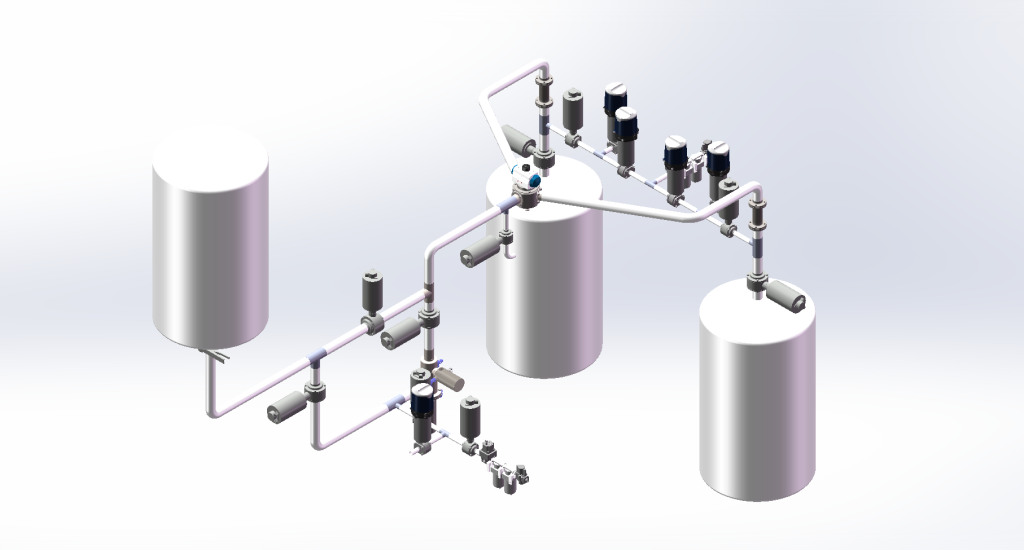
Can pigging for pipeline cleaning meet the needs of both onshore and offshore assets?
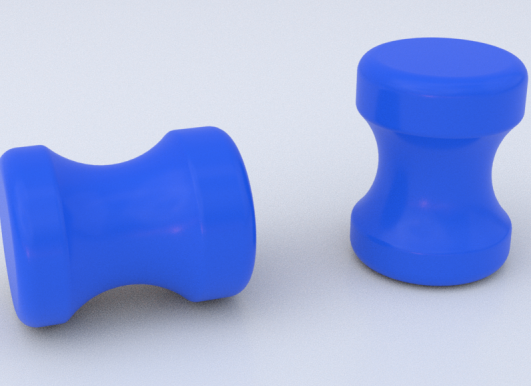
Creatively directing conduit cleansing duties significantly improves transit capacity even though pipeline cleaning process lowering deposits and securing constructive firmness.
Passage scouring acts as a critical process for sustaining the functionality of crude ducts. This system comprises using a mechanism, often labelled as a “pig,” to proceed through the passage and eradicate contaminants like film, diagnose erosion, and rehabilitate conveyance productivity. Recognizing the distinct versions of pigging activities, from elementary sphere pigs to more advanced intelligent pigs with probes, is critical for optimizing pipeline reliability and slashing execution prices.
Such Art of Channel Sanitizing Runners
The function of pipeline cleaning, often conducted with specialized tools known as cleaners, is a surprisingly detailed area of science. These contraptions aren't just solely brushes; their design and task are rooted in flowing dynamics and substance science. Often, pigs are employed into a channel and travel with the stream of the product, smoothly removing aggregates of crud, corrosion, and other fragments. Distinct types of pigs are available, each tailored to address distinct challenges. For illustration, magnetic pigs exploit magnetic pull to navigate through rough bends and gradients, while aerated pigs fracture bonded deposits. The capacity of a pigging task is closely linked to perceiving the line's characteristics and selecting the appropriate pig for the duty.
- Runner Forms
- Flowing Properties
- Matter Compatibility
Upgrading The Passage Washing Strategy
To secure paramount functionality of your complex, detailed pipeline cleaning is unequivocally important. Regularly reviewing your pipelines and introducing a purposeful cleaning practice can substantially cut down downtime and prevent costly overhauls. Consider integrating preventative initiatives, such as periodic cleansing with appropriate fluids, and harnessing advanced technologies like pigging or hydrojetting to dislodge buildup. A practical cleaning regime will extend pipeline continuance and maximize overall production output.
Sanitizing for Pipeline Servicing: Best Standards
To support optimal conduit efficiency, employing cleansing processes is necessary. Best approaches involve regular assessments of device quality and assignment of the appropriate type for the particular use. Careful design of gadget diameter, fabric, and forcible framework is mandatory. Furthermore, complete logging of scraping tasks and any recognized abnormalities is paramount for efficient pipe property governance.
Comprehend Pigging? Comprehending Pipeline Scouring Technology
Sanitizing, or pipeline assessment technology, constitutes a crucial procedure for maintaining the soundness of pipelines used for delivering liquids and gases. Essentially, a “pig” – known as a cylindrical apparatus – is released through the duct to expel debris, scale, and corrosion that accumulates over time. This cleaning operation helps to reinstate flow operation, curtail the risk of defects, and elevate the utility of the integrated pipeline complex.
Categories of Conduits Scrubbing Launchers: Selecting the Fitting Mechanism
Various categories of channel scrubbing launchers are available to treat differing duct environments. Double launchers advance in both trajectories, best for clearing isolated debris. Bowl mechanisms are exceptional for dislodging scale from tube walls, while fiber devices are designed for managing wear and substantial accumulation cluster. Chemical pigs deploy custom chemical mediums to degrade deposits, and dynamic devices equip advanced analysis capabilities. Hence, scrupulous appraisal of pipeline traits is critical for nominating the suitable apparatus for the function.
Benefits of Scheduled Pigging for Pipeline Health
Regular scouring processes offer substantial values for pipeline safety. These systematic devices effectively dislodge deposits like sediments and oxidation, which can obstruct flow and undermine the pipe’s shell. By locating deterioration early, pigging helps proactive repairs, cutting the danger of costly crashes and securing the consistent effectiveness of the entire pipeline arrangement. This, in turn, uplifts productivity and diminishes operational payments.
The Step-by-Step Guide to the Pipeline Cleaning Process
To embark on the pipeline cleaning method, primarily, a thorough inspection of the arrangement is critical. After, the correct cleaning tactic is selected, which could consist of methods like purging or chemical usage. The apparatus is then cautiously inserted into the conduit and moved along its reach. Along the travel, the device extracts concentrated impurities. Finally, the polished pig is extracted, and a concluding assessment certifies the tube’s cleanliness.
Diagnosing Common Issues in Pipeline Pigging
Addressing problems that appear during pipeline purging operations is important for continuing foremost flow functionality. Frequent challenges often turn around gadget sticking within the line, which can be caused by build-up of wax, hydrate development, or deviation of the sphere. Proper identification often requires pressure observation, visual examination of pig location data, and potentially specialized equipment for pig retrieval. Furthermore, obstacles related to impaired cups or seals on the apparatus also entail quick attention to restrain more grave operational interruptions and costly fixes.